
About RDW Blood Test
RDW Blood Test is the United Kingdom's dedicated health education platform for the Red Cell Distribution Width blood test and related haematological diagnostics. Founded by Dr. med. Sophie Engelhardt, a haematologist with 23 years of laboratory experience, we exist to bridge the gap between clinical laboratories and the patients whose lives depend on the results they produce. Every article, guide, and tool on this site is built on one founding principle: no patient should ever feel confused or afraid when reading their blood test results.
Founder, Lead Clinical Author, and Haematology Consultant at RDW Blood Test. 23 years in diagnostic laboratory medicine across Europe and the United Kingdom.
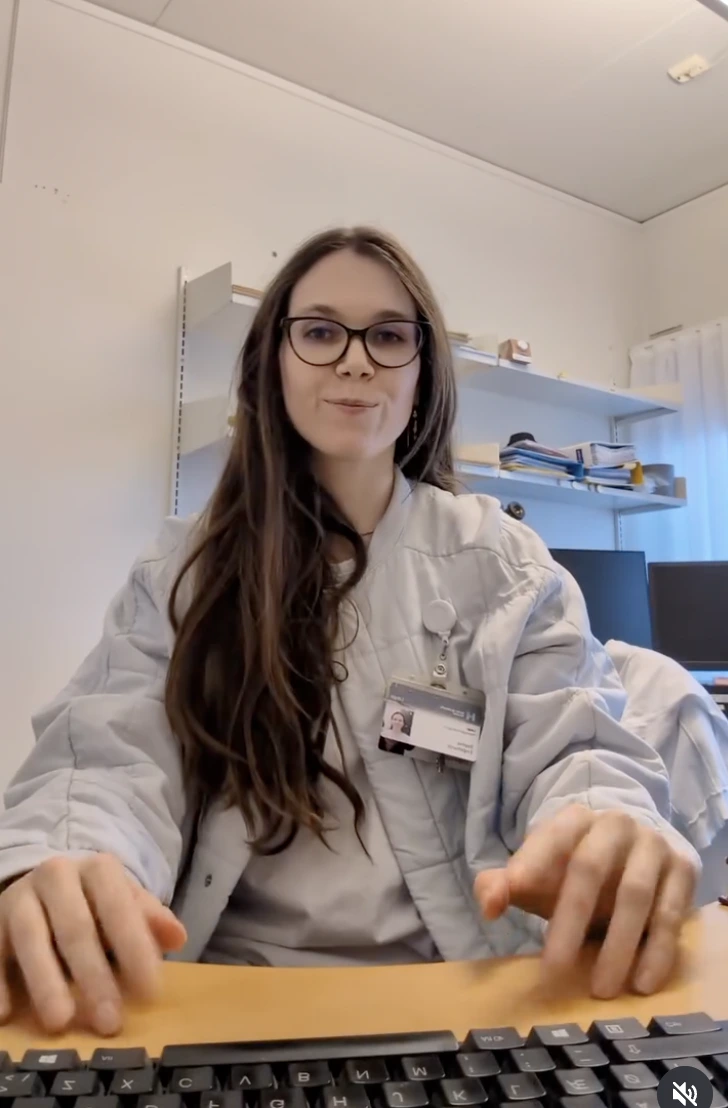 Founder and Lead Author
My Story: 23 Years Behind the Analyser
I have spent the last 23 years of my professional life in diagnostic haematology laboratories, and not a single day of that career has felt ordinary to me. I began my medical training in Germany, completing my doctorate in medicine (Dr. med.) with a focus on erythrocyte morphology and the clinical significance of red blood cell size distribution, which is exactly the science that underpins the RDW blood test you are reading about today.
After qualifying, I joined a university hospital laboratory in Munich where I spent the first seven years of my career working across haematology, biochemistry, and clinical pathology departments. It was during those early years that I truly came to understand how a single blood count value, properly interpreted in the right clinical context, could change the course of a patient's care completely. I watched haematologists identify early iron deficiency anaemia from an RDW elevation before haemoglobin had dropped at all. I watched the RDW and MCV combination point a junior doctor toward a B12 deficiency in a 34-year-old woman who had been written off as simply "tired." These were not dramatic moments, but they were quietly life-changing ones.
"The RDW is one of the most underappreciated values in the entire CBC panel. It speaks before haemoglobin does. Learn to listen to it, and you will catch things early that others will miss entirely."
Across European Laboratories
I spent several years working in laboratory medicine departments across Europe, including positions in Zurich, Vienna, and Brussels, each of which gave me exposure to different laboratory systems, different haematology analysers, and crucially, different patient populations. I noticed something consistent everywhere I worked: the RDW was almost always present on blood reports, yet almost never properly explained to patients. People would come to their GP with a number on a page and no idea what it meant. Their anxiety was not about the diagnosis, it was about the uncertainty of not understanding what the test was even measuring.
That observation stayed with me for years. I kept mental notes, stored away patient encounters, and promised myself that at some point I would find a way to address the knowledge gap I was witnessing in clinical practice every single day.
Coming to London
I relocated to London in 2014 and worked in NHS-aligned diagnostic laboratory environments, consulting on haematology education, quality assurance, and clinical reporting standards. The NHS generates millions of CBC tests every year, and the RDW value appears on virtually every single one of them. Yet the patient-facing resources explaining that value in clear, trustworthy, non-alarming language were almost nonexistent. What I found online was either too technical for most patients, riddled with errors, or clearly written by people without laboratory medicine backgrounds.
I decided to do something about it. In 2026, I founded RDW Blood Test at my home in Layard Road, Drummond Road, London SE16, and began building what I had always wished existed for patients: a dedicated, clinically accurate, plain-language resource covering everything a patient could possibly need to know about the RDW blood test, from what the abbreviation stands for to how the value is calculated in the laboratory, what every combination of RDW and MCV means, and what steps to take next.
My Clinical Experience in Diagnostic Haematology
Anaemia Classification
Iron deficiency, B12, folate, haemolytic and aplastic anaemia diagnosis and monitoring
Haematology Analyser Operation
23 years operating Sysmex, Beckman Coulter, and Abbott haematology platforms
Thalassaemia Screening
RDW and MCV-based screening, haemoglobin electrophoresis interpretation and genetic counselling support
CBC Quality Assurance
Laboratory accreditation, ISO 15189 standards, internal and external quality control programme management
Cardiovascular Risk Markers
Research interest in elevated RDW as a prognostic marker in heart failure and coronary disease outcomes
Patient Education
Translating complex haematology into plain language guidance for patients across multiple healthcare systems
Everything I have written and built on RDW Blood Test comes directly from those 23 years of laboratory experience. When I write about how the RDW-CV is calculated, I am describing a process I have watched automated analysers perform hundreds of thousands of times. When I explain the diagnostic difference between a high RDW with a low MCV versus a high RDW with a high MCV, I am drawing on thousands of real clinical encounters. This platform is, in many ways, the patient education resource I have been building in my head throughout my entire career.
I created RDW Blood Test because I believe patients deserve better than a confusing number on a printout. They deserve a trusted, expert voice that speaks to them clearly, respectfully, and without the commercial agenda that compromises so much health content online. That is what I have built here, and it is what I am committed to continuing to grow.
Everything RDW Blood Test does is guided by a clear mission and a bold long-term vision rooted in clinical accuracy, patient empowerment, and editorial independence.
Our Mission
To provide every patient, carer, and healthcare student with the most accurate, clearly written, and clinically reliable educational content about the RDW blood test and related haematological markers, empowering them to engage confidently with their healthcare provider and understand their own blood test results.
- Deliver clinically accurate, evidence-based blood test education in plain language to every visitor, regardless of medical background.
- Support early identification of anaemia, nutritional deficiencies, and blood disorders by helping patients recognise when to seek further investigation.
- Maintain absolute editorial independence with no commercial bias, no paid diagnostic referrals, and no content governed by advertising revenue.
- Update all content regularly to reflect the latest developments in NHS clinical guidelines and international haematology standards.
Our Vision
To become the most trusted, comprehensive, and accessible online resource for blood test education in the United Kingdom and beyond, where no patient ever has to feel confused, alone, or afraid when reading their haematology results.
- Expand our content library to cover every major CBC marker, blood disorder, and diagnostic interpretation within the FBC and CBC framework.
- Partner with accredited haematologists, GPs, and diagnostic laboratories to ensure all content is clinically reviewed and endorsed by qualified professionals.
- Develop patient-facing interactive tools including RDW result guides, symptom checklists, and preparation resources for every stage of the diagnostic journey.
- Build a multilingual, globally accessible platform that serves patients across all health systems, educational backgrounds, and geographic locations.
These four pillars underpin every article, guide, and patient resource published on RDW Blood Test.
Clinical Accuracy
Every article is written against current NHS and international haematology guidelines. Dr. Engelhardt personally reviews all clinical content before publication.
Plain Language
We translate complex laboratory science into language every patient can understand, regardless of their medical background or education level.
Editorial Independence
No advertiser, sponsor, or commercial partner influences what we write. Content decisions are governed entirely by clinical relevance and patient benefit.
Always Current
We review and update all clinical content regularly to reflect evolving NHS guidelines, new haematology research, and best practices in laboratory medicine.
University Hospital Laboratory, Munich, Germany
Dr. Engelhardt begins her haematology career in a major university hospital diagnostic laboratory, developing expertise in red blood cell morphology, CBC interpretation, and haematology analyser operation across Sysmex and Beckman Coulter platforms. She develops her first clinical interest in the diagnostic utility of RDW as an early anaemia marker.
Laboratory Positions in Zurich, Vienna, and Brussels
A series of haematology consultancy and laboratory medicine roles across Europe expose Dr. Engelhardt to different national healthcare systems, varied patient populations, and multiple haematology quality assurance frameworks. She contributes to ISO 15189 laboratory accreditation projects and develops a growing focus on thalassaemia screening using RDW and MCV combination interpretation.
NHS-Aligned Diagnostic Consultancy, London
Dr. Engelhardt relocates to London and works in NHS-aligned haematology education and diagnostic laboratory quality roles. She observes the persistent gap between laboratory-generated CBC reports and patients' ability to understand their results. She begins developing the concept and content framework for what will become RDW Blood Test.
RDW Blood Test Launches at Layard Road, London SE16
Dr. Engelhardt founds RDW Blood Test from her home in South East London, building the platform's complete content library, design system, legal framework, and editorial standards from the ground up. The site launches with a full suite of patient-facing guides covering RDW basics, CBC interpretation, high and low RDW results, procedure guides, FAQ pages, and clinical educational tools.
Expanding the Platform and Building Clinical Partnerships
RDW Blood Test continues to grow its content library, develop interactive patient tools, and pursue partnerships with qualified haematologists and GPs to review and endorse all clinical content. The long-term goal is to establish the platform as the definitive UK online resource for blood test literacy and CBC education, serving patients, medical students, and healthcare professionals alike.
The RDW Blood Test Patient Promise
We will always be accurate
Every clinical claim on this site is checked against current NHS and international haematology guidelines before publication. We update content when guidelines change.
We will always be honest
We will never tell you a test result means something it does not, exaggerate risk to drive clicks, or downplay a concern to avoid alarming you. Accuracy and honesty go hand in hand.
We will always be independent
No advertiser or sponsor will ever influence our content. No laboratory pays us for referrals. No pharmaceutical company shapes our messaging. Our only obligation is to you.
We will always be clear
Laboratory medicine is complex. Patient anxiety is real. We commit to translating every clinical concept into language that is genuinely easy to understand for every visitor.
We will always refer you onwards
We will never encourage you to substitute our educational content for medical consultation. We will always and without exception direct you to a qualified healthcare professional for personal clinical advice.
We will always keep improving
We view every content error as an opportunity to get better and take all corrections seriously. We will never protect wrong information to protect our reputation. Patient safety always comes first.
Want to Get in Touch?
Whether you have a question about your blood test results, want to contribute content to RDW Blood Test, or have a media or clinical partnership enquiry, Dr. Engelhardt and the editorial team would be delighted to hear from you.
Editorial Note from Dr. Engelhardt: All content on RDW Blood Test is written and reviewed by me personally based on 23 years of haematology and laboratory medicine experience. This platform is provided for general educational purposes only and does not constitute medical advice, diagnosis, or treatment. Always consult a qualified GP, haematologist, or healthcare professional for personal medical guidance relating to your specific blood test results.

