
RDW Blood Test Complete Patient Guide

What Is an RDW Blood Test
and What Do Your
Results Mean?

The RDW blood test measures Red Cell Distribution Width, the size variation of your red blood cells. Whether your RDW result is high, low, or normal, this guide explains exactly what it means, why it matters, and what to do next.

Anaemia Detection CBC / FBC Panel Nutritional Deficiency Blood Disorders
11.5–14.5%
Normal RDW range for adults
RDW-CV
Most common RDW measure reported
FBC / CBC
RDW is always part of full blood count
Live Sample Results Panel
RDW Blood Test results sample RDW Blood Work
RDW-CV Result
13.2%
Normal: 11.5–14.5%
Normal
High RDW in Blood Test
17.4%
Above reference range
High
Low RDW Blood Test
10.8%
Below reference range
Low
Clinically reviewed content
No personal data collected
Updated 2025
Written by qualified clinicians
Global medical resource
Red blood cells showing size variation in RDW blood test
6–8 μm
Normal red cell diameter
What Is RDW in a Blood Test

What Does RDW Stand For on a Blood Test?

RDW stands for Red Cell Distribution Width. In a blood test, RDW measures how much your red blood cells vary in size and volume. Healthy red blood cells are roughly uniform in size — about 6 to 8 micrometres in diameter. When they vary significantly, a condition known as anisocytosis, your RDW level rises above the normal range.

What does RDW mean in a blood test clinically? It is a key marker used alongside other values in your Full Blood Count (FBC) — also called a Complete Blood Count (CBC) — to help diagnose anaemia, nutritional deficiencies, and other blood disorders. Your doctor never interprets RDW in isolation; it is always read in combination with your MCV (Mean Corpuscular Volume), haemoglobin, and other blood test markers.

RDW in a blood test is expressed as a percentage (%). A result between 11.5% and 14.5% is considered normal for most adults. Blood test RDW levels outside this range may point to an underlying condition requiring further investigation.

The RDW blood work test is quick and straightforward, requiring only a simple blood draw from your arm — taking less than five minutes from start to finish.

RDW Blood Test Levels at a Glance

Standard reference values for RDW levels in blood tests for adults worldwide

Low RDW Blood Test
Below 11.5%
Low RDW in a blood test is rare. Often seen in thalassaemia trait or anaemia of chronic disease where red cells are uniformly small.
Normal RDW
11.5% – 14.5%
Normal blood test RDW levels indicate that red blood cells are consistent in size — a healthy, expected result for most adults.
High RDW Blood Test
Above 14.5%
Elevated RDW in a blood test means significant red cell size variation. Most commonly caused by iron, B12, or folate deficiency.

ⓘ  Blood test RDW levels and reference ranges may vary slightly between laboratories. Always refer to the range printed on your own results report.

RDW-CV vs RDW-SD: What Is the Difference?

When people search what is RDW in blood test, they often see two different measurements on their report. Here is what each means.

Most Common Measurement
What Is RDW-CV in a Blood Test?
RDW-CV (Coefficient of Variation) is the most widely reported RDW measurement. It expresses red cell size variation as a percentage relative to your average cell size (MCV). This is what most people see on their blood results when they ask what is RDW-CV in blood test.
Normal RDW-CV: 11.5% – 14.5%
Alternative Measurement
What Is RDW-SD on a Blood Test?
RDW-SD (Standard Deviation) measures the absolute width of the red cell size distribution in femtolitres (fL). Unlike RDW-CV, it is not influenced by average cell size, making it useful when MCV is abnormal. This answers what is blood test RDW-SD and what is RDW SD in blood test.
Normal RDW-SD: 35 – 56 fL
3M+
RDW blood work tests ordered globally each year
25%
Of adults have undiagnosed iron deficiency
<5 min
Typical blood draw duration
24h
Typical private RDW test results turnaround
RDW Blood Test High and Low Results Explained

What Does a High or Low RDW
Mean in a Blood Test?

Whether your RDW Blood Test result is high or low, specific clinical conditions are associated with each outcome. Below is a complete breakdown of what an elevated RDW in a blood test and a low RDW blood test result typically indicate, along with the most important combinations your doctor uses to reach a diagnosis.

14.5%+
High RDW threshold requiring further investigation
11.5 - 14.5%
Normal RDW range for most adults
10.2%
Below this level is classified as a low RDW result

High RDW Blood Test: Above 14.5%

Elevated RDW detected: significant red blood cell size variation present

High RDW blood test causes and meaning High RDW
  • Iron Deficiency Anaemia The most common cause of a high RDW blood test result globally. Without sufficient iron, the body produces smaller, uneven red blood cells alongside normal ones, dramatically widening the size distribution and pushing RDW above 14.5%.
  • Vitamin B12 or Folate Deficiency Both B12 and folate are essential for healthy red blood cell DNA synthesis. Their deficiency produces abnormally large red cells mixed in with normal or smaller ones, resulting in a significantly elevated RDW in the blood test alongside a raised MCV.
  • Mixed Nutritional Deficiency Anaemia When both iron and B12 or folate are deficient simultaneously, the body produces both very small and very large red blood cells at the same time. This creates one of the highest RDW blood test results possible and can mask a normal MCV, making RDW the primary diagnostic clue.
  • Liver Disease Chronic liver conditions impair red blood cell membrane metabolism and the liver's role in storing B vitamins. This leads to RDW in the blood test being elevated alongside other abnormal liver markers such as raised ALT, AST, or bilirubin levels.
  • Haemolytic Anaemia When red blood cells are destroyed faster than they can be produced, the bone marrow compensates rapidly by releasing cells of varying maturity and size into the bloodstream. This compensatory response causes a clearly elevated RDW result on the blood test.
  • Recent Blood Transfusion Receiving donor blood introduces red blood cells of different ages, sizes, and maturity levels into your circulation. This temporarily raises your RDW blood test level until your body stabilises and the donor cells are gradually replaced over several weeks.

Low RDW Blood Test: Below 11.5%

Unusually uniform red blood cell size detected in your sample

Low RDW blood test results Low RDW
  • Thalassaemia Trait An inherited genetic condition that causes uniformly small red blood cells. A low RDW blood test result is one of the key features that helps clinicians distinguish thalassaemia from iron deficiency anaemia, which typically causes a high RDW. Genetic testing is recommended for carriers planning a family.
  • Anaemia of Chronic Disease Chronic conditions such as kidney disease, rheumatoid arthritis, and systemic inflammatory disorders can suppress red blood cell production in a consistent and uniform way, resulting in a low or normal RDW blood test level alongside a reduced MCV and haemoglobin.
  • Aplastic Anaemia In aplastic anaemia, the bone marrow produces fewer red blood cells overall, but the cells it does produce tend to be more uniformly sized. This keeps RDW blood test levels within or below the normal range despite significantly reduced total red cell counts and haemoglobin.
  • Microspherocytosis A rare inherited red blood cell disorder where cells are uniformly small and spherical in shape. This uniform abnormality produces a consistently low RDW in blood test results, making it one of the few conditions where a low RDW is a meaningful positive finding rather than simply a reassuring one.
  • Low RDW Alone Is Rarely Alarming An isolated low RDW blood test result with no other abnormalities in your full blood count does not usually require treatment on its own. Your doctor will assess the complete picture including haemoglobin, MCV, platelet count, and your symptoms before making any clinical decisions.

What Does a High RDW Mean Alongside
Other Blood Test Values?

Understanding a high RDW blood test result is most clinically useful when it is read in combination with MCV (Mean Corpuscular Volume). These four combinations paint a precise diagnostic picture that guides your doctor toward the most likely underlying cause without unnecessary further testing.

Combination 1

High RDW + Low MCV

The classic presentation of iron deficiency anaemia. Small, highly variable red blood cells indicate insufficient iron for normal red cell production. This is the most common reason for a high RDW blood test result globally, and is typically confirmed with a serum ferritin or iron studies panel.

Combination 2

High RDW + High MCV

Points strongly to vitamin B12 or folate deficiency anaemia. Large, uneven red cells are produced when these essential vitamins are absent or cannot be absorbed. Particularly common in strict vegans, older adults, those with Crohn's disease, and patients taking metformin long-term.

Combination 3

High RDW + Normal MCV

Suggests an early or mixed deficiency where two problems are occurring simultaneously. When RDW in the blood test is elevated but MCV is normal, it often indicates concurrent iron deficiency (which lowers MCV) and B12 or folate deficiency (which raises MCV), with the two effects cancelling each other out and making RDW the only visible clue.

Combination 4

Normal RDW + Low MCV

Typical of anaemia of chronic disease or thalassaemia trait. Red blood cells are uniformly small but consistently so, keeping RDW within the normal blood test range. The absence of size variation alongside a reduced MCV is one of the strongest indicators of thalassaemia, prompting targeted genetic testing.

Disclaimer from RDW Blood Test: The information provided on this page is for general educational purposes only and does not replace professional medical advice. An abnormal RDW blood test result should always be discussed with a qualified GP or haematology specialist who can interpret it in the full context of your complete blood count, symptoms, and medical history.

RDW Blood Test Combined Interpretation Guide

RDW and MCV Blood Test:
Full Interpretation Table

At RDW Blood Test, we know that a single number rarely tells the whole story. Your doctor uses RDW blood test results alongside MCV (Mean Corpuscular Volume) to identify the most likely cause of any red cell abnormality. The table below covers every clinically significant RDW and MCV combination, what condition it points to, and the most common underlying causes.

Key: High RDW Normal RDW Low RDW
RDW Level
MCV (Cell Size)
Most Likely Condition
Common Causes
RDW Level Normal RDW
MCV
Low MCV
Small red blood cells
Most Likely Condition
Anaemia of Chronic Disease
Common Causes
Chronic kidney disease, rheumatoid arthritis, long-term inflammatory conditions, and autoimmune disorders where the body suppresses red blood cell production over time.
RDW Level Normal RDW
MCV
Normal MCV
Uniform average cell size
Most Likely Condition
Healthy Blood Profile or Aplastic Anaemia
Common Causes
No anaemia indicated in most cases. If haemoglobin is also low, aplastic anaemia or bone marrow failure should be considered and investigated with further specialist testing.
RDW Level Normal RDW
MCV
High MCV
Enlarged red blood cells
Most Likely Condition
Early Liver Disease or Aplastic Anaemia
Common Causes
Alcohol-related liver damage, non-alcoholic fatty liver disease, bone marrow suppression caused by certain medications, and early-stage aplastic anaemia before significant cell size variation develops.
RDW Level High RDW
MCV
Low MCV
Small red blood cells
Most Likely Condition
Iron Deficiency Anaemia
Common Causes
Poor dietary iron intake, chronic blood loss from gastrointestinal bleeding or heavy menstrual periods, coeliac disease impairing absorption, and pregnancy increasing iron demand significantly.
RDW Level High RDW
MCV
Normal MCV
Mixed cell sizes
Most Likely Condition
Early or Mixed Nutrient Deficiency
Common Causes
Simultaneous iron and B12 or folate deficiency (where the two effects cancel out MCV), early nutritional depletion before cell size changes, recent blood loss, or sickle cell trait presenting without full sickling crisis.
RDW Level High RDW
MCV
High MCV
Enlarged red blood cells
Most Likely Condition
Vitamin B12 or Folate Deficiency Anaemia
Common Causes
Strict vegan or vegetarian diet without supplementation, malabsorption syndromes such as Crohn's disease, pernicious anaemia (an autoimmune condition), excess alcohol consumption, and certain medications including metformin and methotrexate.
RDW Level Low RDW
MCV
Low MCV
Uniformly small cells
Most Likely Condition
Thalassaemia Trait
Common Causes
An inherited genetic blood disorder where red blood cells are uniformly small in size but consistent with one another, producing a low MCV but a normal or low RDW. This combination is a key distinguishing feature from iron deficiency anaemia. Genetic counselling is recommended for affected individuals and their families.

Why RDW Alone Is Never Enough

RDW Blood Test always emphasises that RDW must be read alongside MCV, haemoglobin, and your full clinical picture. A high RDW with a low MCV points to iron deficiency, while the exact same RDW with a high MCV points to a B12 problem. The combination is everything.

Thalassaemia vs Iron Deficiency

The most clinically important distinction the RDW and MCV table reveals is between thalassaemia and iron deficiency. Both produce small red blood cells (low MCV), but thalassaemia produces uniform small cells (low RDW) while iron deficiency produces highly variable cell sizes (high RDW). This pairing guides whether genetic testing is needed.

Mixed Deficiency and Normal MCV

One of the most commonly missed presentations is when both iron and B12 are deficient simultaneously. Because iron deficiency pushes MCV down while B12 deficiency pushes it up, the two effects can cancel each other out, producing a deceptively normal MCV. The elevated RDW is often the only early clue that something is wrong, making it an invaluable screening marker.

Disclaimer from RDW Blood Test: This table provides general clinical guidance for interpreting blood test RDW levels alongside MCV. Individual results must always be interpreted by a qualified healthcare professional in the full context of your symptoms, medical history, and complete blood count. Do not use this table to self-diagnose. If you are concerned about your results, please speak to your GP or a haematology specialist promptly.

The Process

How Is the RDW Blood Test Performed?

The RDW blood test is safe, quick, and always performed as part of your full blood count. Here is what to expect from referral through to receiving your results.

RDW blood work test takes under 5 minutes
Fast & painless
RDW blood work test takes
under 5 minutes
1

Referral or Private Booking

Your doctor may order an RDW blood test as part of routine screening, or you can book privately with no referral needed. No fasting is required specifically for an RDW blood work test.

2

Blood Sample Collection

A healthcare professional draws a small blood sample from a vein in your arm. The procedure takes under five minutes and causes only brief, mild discomfort at the needle site.

3

RDW Blood Test Lab Analysis

Your sample is sent to a certified laboratory where an automated haematology analyser measures your red cell size distribution, generating your RDW-CV and RDW-SD percentage values.

4

Results and Clinical Review

RDW blood test results are available within 1 to 3 working days via your doctor or private portal. A clinician reviews your RDW levels alongside your full blood count before advising next steps.

Do I need to fast before an RDW blood test?

You do not need to fast specifically for an RDW blood test. However, if your doctor has ordered additional tests at the same time — such as cholesterol, glucose, or liver function — you may need to fast for 8 to 12 hours beforehand. Your clinic will provide specific instructions based on your full test panel.

Private RDW Blood Test

Get Your RDW Blood Test Without a Doctor Referral

Private blood testing clinics worldwide offer full blood count panels including RDW-CV and RDW-SD measurements. Results are delivered fast via an online portal — no waiting room, no referral required.

  • RDW blood test results within 24 to 48 hours
  • Includes RDW-CV, RDW-SD, MCV, haemoglobin and platelets
  • Online results portal with clear explanations of high and low RDW
  • Clinics available across major cities worldwide
  • Optional clinician follow-up for elevated RDW blood test results
  • No referral or prescription required
Book Your RDW Blood Test Now
Private RDW blood test clinic
Full Blood Count + RDW
Starting from
£29
RDW-CV, RDW-SD, MCV, haemoglobin, platelets & more
Check Availability

No referral needed • Fast RDW blood test results • Online portal

What Level of RDW Is Considered Dangerous

RDW, or Red Cell Distribution Width, is a value in your blood test that shows how

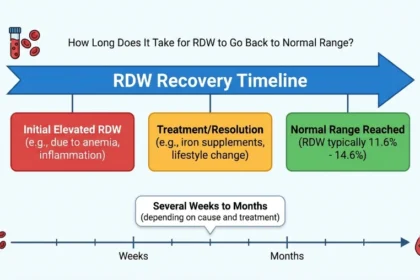
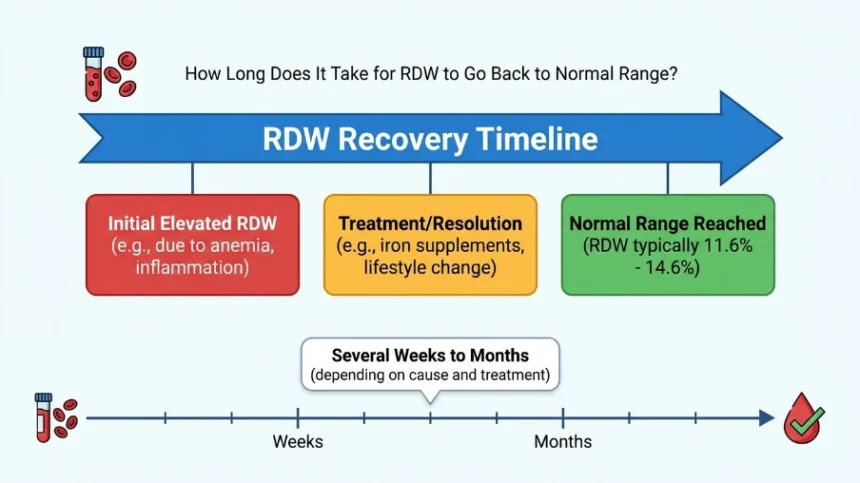
How Long Does It Take for RDW to Go Back to Normal Range

RDW (Red Cell Distribution Width) normally takes 1 to 3 months to return to its normal

CEA Test (Carcinoembryonic Antigen) It Is & Results

The CEA test, also known as the Carcinoembryonic Antigen test, is a blood test used to

Should You Worry About Cancer If RDW Is High

High RDW (Red Cell Distribution Width) can make people worried, especially when they read about its

How It Works
RDW Blood Test Complete Process

From your doctor's referral to downloading your certified CBC report, our 5-step process delivers fast, accurate RDW results with full clinical context explained.

1
rdwbloodtest.co.uk
Your GP or doctor orders an RDW as part of a Full Blood Count (CBC). Private self-referral also available.
Doctor Orders the Test GP referral or private
self-referral CBC order
2
PHLEBOTOMY CLINIC RDW
You attend your NHS clinic, hospital phlebotomy unit, or private laboratory for your blood draw appointment.
Attend Phlebotomy NHS clinic, hospital, or
private laboratory visit
3
Sterile EDTA tube blood draw. Painless venepuncture takes under 5 minutes. 3 to 5 mL sample collected.
Blood Sample Collected EDTA tube · Painless draw
Under 5 minutes
4
RDW-CV: 13.2% Haemoglobin: 14.2 MCV: 88.4 fL HAEMATOLOGY ANALYSER EDTA
Automated haematology analyser measures every red blood cell individually. RDW-CV calculated in hours.
Laboratory Analysis Automated CBC analyser
RDW-CV calculated
5
rdwbloodtest.co.uk RDW-CV: 13.2% Normal Range Download Full Report PDF Result Ready: GP Notified 13.2% Normal Download PDF
Your GP receives your CBC report. View your RDW result online or download a certified PDF from your patient portal.
Receive Your Results GP review · Patient portal
Download certified PDF
Results in 24 to 48 Hours
🩸
Under 5 Minute Blood Draw
🔬
Automated Haematology Analyser
📞
Contact: info@rdwbloodtest.co.uk

What Does RDW Stand For on a Blood Test?

What Does RDW Stand For on a Blood Test - RDW Blood Test Guide RDW Blood Test

Red Cell Distribution Width (RDW) measured as part of a Full Blood Count (FBC)

Quick Fact: RDW stands for Red Cell Distribution Width. It measures how much your red blood cells vary in size and volume. A normal RDW result sits between 11.5% and 14.5% for most adults.

Test Duration: The RDW blood work test is quick and straightforward, requiring only a simple blood draw from your arm. The entire process takes less than five minutes from start to finish.

RDW stands for Red Cell Distribution Width. In a blood test, RDW measures how much your red blood cells vary in size and volume. Healthy red blood cells are roughly uniform in size, approximately 6 to 8 micrometres in diameter. When they vary significantly, a condition known as anisocytosis, your RDW level rises above the normal range.

At RDW Blood Test, we help patients understand that what RDW means in a blood test clinically goes far beyond a simple number. It is a key marker used alongside other values in your Full Blood Count (FBC), also called a Complete Blood Count (CBC), to help diagnose anaemia, nutritional deficiencies, and a range of other blood disorders. Your doctor never interprets RDW in isolation; it is always read in combination with your MCV (Mean Corpuscular Volume), haemoglobin levels, and other critical blood test markers.

RDW in a blood test is expressed as a percentage (%). A result between 11.5% and 14.5% is considered normal for most adults. Blood test RDW levels outside this range may point to an underlying condition requiring further investigation by a qualified physician or haematologist.

Understanding your RDW result in the full context of your CBC is essential. A high RDW combined with a low MCV typically suggests iron deficiency anaemia, while a high RDW alongside a high MCV is more indicative of vitamin B12 or folate deficiency. A normal RDW with a low MCV, on the other hand, may raise suspicion for thalassemia, an inherited blood disorder. This is why RDW Blood Test always emphasises the importance of clinical consultation rather than self-diagnosis based on a single value.

It is also worth noting that RDW is not only useful for diagnosing anaemia. Research published in peer-reviewed journals has increasingly linked elevated RDW values to greater cardiovascular risk, chronic kidney disease progression, inflammatory conditions, and even broader markers of systemic stress. For this reason, doctors across many specialties now regard an unexpectedly high RDW as a prompt for broader clinical investigation.

11.5%
Lower end of the normal RDW range for adults
14.5%
Upper end of the normal RDW range for adults
6-8 um
Healthy red blood cell diameter in micrometres

What Is Anisocytosis?

Anisocytosis is the medical term for significant variation in red blood cell size within a blood sample. When red blood cells are produced abnormally due to nutritional deficiency, bone marrow dysfunction, or an inherited condition, they emerge in inconsistent sizes. This variation is precisely what the RDW blood test quantifies. A higher RDW percentage indicates greater size variation and a higher likelihood of an underlying health issue affecting red blood cell production or destruction.

RDW and Mean Corpuscular Volume (MCV)

RDW is almost always interpreted together with MCV, which measures the average size of red blood cells. While MCV tells your doctor the average cell size, RDW reveals how widely the sizes vary around that average. Together, they form a diagnostic grid. For example, a low MCV with a high RDW suggests iron deficiency, while a low MCV with a normal RDW is more consistent with thalassemia. Understanding this pairing is central to how clinicians use the RDW blood test effectively.

How Is RDW Expressed in a Blood Report?

On your blood report, RDW will typically appear as a percentage value listed under the red blood cell indices section of your Full Blood Count. Some laboratories report two variants: RDW-CV (coefficient of variation), which is the most common form expressed as a percentage, and RDW-SD (standard deviation), which gives an absolute size measurement in femtolitres (fL). Most standard reports use RDW-CV. At RDW Blood Test, we always recommend confirming with your doctor which variant is listed on your specific report.

Who Should Get an RDW Blood Test?

An RDW blood test is typically ordered by a doctor rather than requested independently by a patient. It is commonly included in routine health screenings, pre-operative assessments, and annual check-ups. It may also be ordered specifically when a patient presents with symptoms of fatigue, unexplained weakness, pale skin, breathlessness, or when a doctor suspects anaemia or a nutritional deficiency. Patients with chronic conditions such as kidney disease, liver disease, diabetes, or a family history of blood disorders may have RDW tested more frequently as part of ongoing monitoring.

Disclaimer from RDW Blood Test: The information provided on this page is for general educational purposes only and does not constitute medical advice, diagnosis, or treatment. RDW values must always be interpreted by a qualified healthcare professional in the context of your full blood count results, symptoms, and medical history. If you have concerns about your RDW result, please consult your GP or a haematology specialist promptly.

What is an RDW Blood Test?

The RDW Blood Test — short for Red Cell Distribution Width — is a clinically significant measurement that evaluates the degree of variation in size among red blood cells (RBCs) circulating in your bloodstream. Unlike tests that only count red blood cells or measure haemoglobin, the RDW specifically analyses how uniform or inconsistent your red blood cells are in size. A higher variation in cell size can be an early and important signal that something is affecting the production, destruction, or maturation of red blood cells in your body. At RDW Blood Test, we are dedicated to helping patients and caregivers understand precisely what this test measures, why it is ordered, and what different results may indicate.

Understanding Red Cell Distribution Width

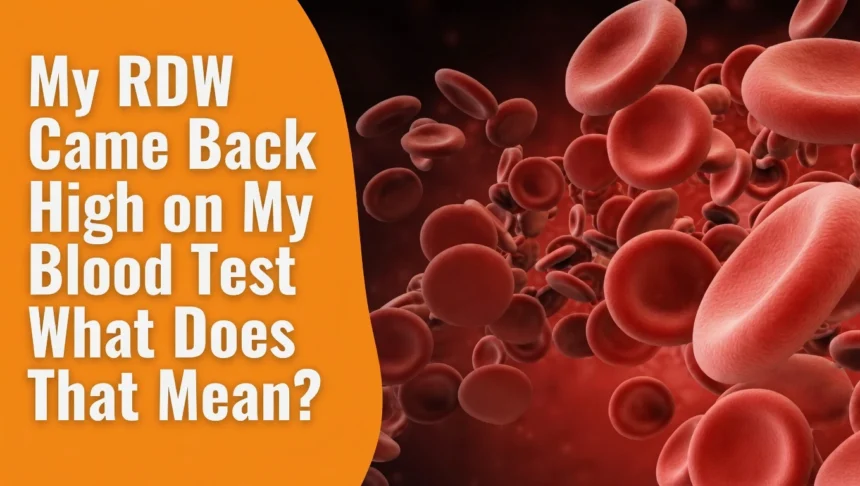
Red blood cells are responsible for carrying oxygen from the lungs to every organ and tissue in the body. In a healthy individual, these cells are relatively uniform in size — typically between 6 and 8 micrometres in diameter. When the body is under stress from illness, nutritional deficiency, or an underlying disorder, red blood cells can begin to form in abnormal sizes — some too small, some too large, and some within the normal range all at once.

The RDW test quantifies this size variation and expresses it as a percentage. A normal RDW range sits between 11.5% and 14.5%. Results outside this range do not themselves confirm a diagnosis but act as a powerful pointer for doctors to investigate further using additional blood work and clinical examination.

The test is almost always ordered as part of a Complete Blood Count (CBC) — a comprehensive blood panel that assesses haemoglobin, haematocrit, white blood cell count, platelet count, and several other critical markers alongside the RDW.

What Does RDW Stand For?

RDW stands for Red Cell Distribution Width — the statistical measure of the coefficient of variation in red blood cell volume, reported as a percentage from an automated haematology analyser.

Normal RDW Range

A normal RDW result falls between 11.5% and 14.5% for both men and women of all age groups. Values above 14.5% are considered high, while values below 10.2% are classified as low.

Who Orders This Test?

General practitioners, haematologists, and specialist physicians commonly order the RDW test to investigate unexplained fatigue, nutritional deficiencies, suspected anaemia, or chronic disease management in patients.

How Is RDW Calculated?

An automated haematology analyser measures the size of each individual red blood cell in the sample and calculates the standard deviation of cell sizes relative to the mean cell volume (MCV), producing the RDW percentage.

Conditions an RDW Blood Test Can Help Identify

01

Iron Deficiency

One of the most common causes of a high RDW. Low iron impairs haemoglobin production, resulting in smaller, uneven red blood cells that widen the distribution curve.

02

Kidney Disease

The kidneys produce erythropoietin, a hormone that signals red blood cell production. Chronic kidney disease disrupts this signal, leading to abnormal RBC size variation.

03

Liver Disease

The liver plays a key role in storing vitamins and regulating blood cell components. Liver dysfunction can elevate RDW by producing oversized or misshapen red blood cells.

04

Vitamin B12 or Folate Deficiency

Both B12 and folate are essential for proper DNA synthesis during red blood cell production. Their absence causes abnormally large red cells (macrocytosis), raising the RDW significantly.

05

Heart Disease

Research has shown that elevated RDW values are independently associated with increased cardiovascular risk, poor outcomes following heart failure, and higher rates of coronary artery disease.

06

Cancer

Certain cancers — particularly those affecting the bone marrow or blood, such as leukaemia and lymphoma — disrupt normal red blood cell production and can produce markedly elevated RDW values.

07

Thalassemia

Thalassemia is an inherited disorder where the body produces defective or insufficient haemoglobin. It typically presents with a low MCV and a normal or mildly elevated RDW, helping distinguish it from iron deficiency anaemia.

08

Anaemia (Multiple Types)

The RDW is most commonly used to differentiate between types of anaemia — including iron deficiency, B12 deficiency, and mixed deficiency anaemia — by revealing the uniformity or mixed sizing of red blood cells.

The Role of RDW Within a Complete Blood Count (CBC)

The RDW does not function as a standalone diagnostic test. At RDW Blood Test, we always emphasise that it is one of several values within a Complete Blood Count (CBC) — the most frequently ordered blood test in clinical medicine worldwide. The CBC provides a broad snapshot of your blood's health by measuring the following key components alongside RDW:

Haemoglobin (Hb) Haematocrit (HCT) Mean Corpuscular Volume (MCV) Red Blood Cell Count (RBC) White Blood Cell Count (WBC) Platelet Count Mean Platelet Volume (MPV)

When a CBC reveals low haemoglobin or reduced red blood cell counts suggesting anaemia, the RDW value becomes the critical next clue. A high RDW paired with a low MCV strongly suggests iron deficiency anaemia, whereas a high RDW with a high MCV points toward B12 or folate deficiency. A normal RDW with a low MCV raises suspicion for thalassemia. This matrix of combined values allows your doctor to arrive at a more precise diagnosis without unnecessary invasive procedures.

Disclaimer from RDW Blood Test: All content on this page is provided for general educational and informational purposes only. An abnormal RDW result does not by itself constitute a medical diagnosis. Always seek the advice of a qualified physician or haematologist to interpret your blood test results in the full context of your medical history, symptoms, and additional investigations.

Procedure for RDW Blood Test

At RDW Blood Test, we know that understanding exactly what happens during a blood test can ease anxiety and help patients prepare effectively. The RDW blood test is a straightforward, minimally invasive procedure that forms part of a Complete Blood Count (CBC). It requires only a small blood sample and is typically completed within minutes at a clinic, hospital, or diagnostic laboratory. Below is a detailed, step-by-step guide to the entire procedure — from preparation through to receiving your results.

Step-by-Step RDW Blood Test Procedure
Step 1

Pre-Test Preparation

In most cases, no special fasting is required for an RDW blood test alone. However, if it is ordered alongside other tests such as a fasting glucose or lipid panel, your doctor may ask you to fast for 8 to 12 hours beforehand. Always drink plenty of water to stay hydrated, as this makes veins easier to locate and reduces discomfort during the draw.

1
2
Step 2

Patient Identification & Registration

On arrival at the laboratory or clinic, the phlebotomist or healthcare professional will confirm your identity using your full name, date of birth, and any relevant identification documents. Your doctor's test request form will be reviewed to ensure the correct tests are ordered. Any known allergies, medications, or bleeding disorders should be disclosed at this stage.

Step 3

Positioning & Site Selection

You will be asked to sit comfortably in a phlebotomy chair or lie down on a clinical bed. The phlebotomist will examine both arms to identify the most accessible vein — most commonly the median cubital vein located in the inner elbow (antecubital fossa). In some patients, veins on the back of the hand may be used instead.

3
4
Step 4

Sterilisation of the Site

The selected area of skin is thoroughly cleaned using an antiseptic swab — typically containing 70% isopropyl alcohol. This critical step eliminates surface bacteria and significantly reduces the risk of infection at the puncture site. The area is allowed to dry completely before the needle is inserted to ensure maximum efficacy of the antiseptic.

Step 5

Tourniquet Application & Blood Draw

A tourniquet (elastic band) is wrapped around your upper arm to temporarily slow blood flow and make the vein more prominent. A sterile, single-use needle attached to a vacuum collection tube is then inserted swiftly into the vein. You may feel a brief sharp pinch. A small volume of blood — typically 3 to 5 millilitres — is drawn into an EDTA-coated tube, which prevents the blood from clotting during analysis.

5
6
Step 6

Post-Draw Care & Sample Labelling

Once sufficient blood is collected, the tourniquet is released and the needle is withdrawn smoothly. A sterile cotton ball or gauze pad is pressed firmly against the site to stop any bleeding. A small adhesive bandage is applied. The blood sample tube is immediately labelled with your patient details and sent to the laboratory for processing.

Step 7

Laboratory Analysis & RDW Calculation

In the laboratory, the blood sample is processed by an automated haematology analyser. The machine measures the volume and size of thousands of individual red blood cells. The RDW is then calculated as the coefficient of variation of red cell volume distribution — expressed as a percentage. Results are typically available within 24 to 48 hours and are shared with your referring doctor.

7

Before the Test — What to Do

  • Inform your doctor of all medications, supplements, and herbal remedies you are currently taking.
  • Drink at least 2 glasses of water before your appointment to ensure good hydration and easier venepuncture.
  • Wear loose-fitting, short-sleeved clothing for easy access to your arm.
  • If fasting is required alongside additional tests, avoid food and drink (except water) for 8 to 12 hours beforehand.
  • Let your phlebotomist know if you feel anxious, have a fear of needles, or have fainted during blood tests previously.

After the Test — What to Expect

  • Keep the bandage on the puncture site for at least 30 minutes after the blood draw.
  • Avoid heavy lifting or vigorous exercise with the arm used for at least a few hours post-draw.
  • Have a light snack or drink after the test, especially if you have been fasting, to restore energy levels.
  • Mild bruising or soreness at the site is normal and should resolve within a day or two.
  • Contact your doctor or laboratory if you notice prolonged bleeding, significant swelling, or signs of infection at the puncture site.

Note from RDW Blood Test: The entire blood collection process typically takes no more than 5 to 10 minutes. Laboratory processing and result turnaround may vary depending on your testing facility. Always follow the specific instructions provided by your healthcare provider or testing clinic, as individual preparation requirements may differ based on the full panel of tests ordered alongside your RDW.

RDW Blood Test Values of Results

The Red Cell Distribution Width (RDW) in a blood report measures the degree of variation in red blood cell (RBC) size — a condition known as anisocytosis. It is typically expressed as a percentage. To interpret your RDW result, it is compared against a reference range defined by the testing facility as the expected RDW level for a healthy individual. A result outside this range may indicate an underlying health condition requiring further investigation by your doctor.

Type Gender Age Group Value
Normal Result Men & Women All Ages 11.5% – 14.5%
High RDW Men & Women All Ages Greater than 14.5%
Low RDW Men & Women All Ages Less than 10.2%

Please Note: Reference ranges may vary slightly between laboratories and testing facilities. Always consult your healthcare provider or physician to interpret your RDW result in the context of your complete blood count (CBC) and overall health history. An abnormal RDW value alone is not a diagnosis.

Uses of RDW Blood Test

At RDW Blood Test, we understand that knowing why a test is ordered is just as important as understanding the result. The RDW blood test is a powerful diagnostic tool that measures the variation in red blood cell (RBC) size. It is most commonly ordered as part of a Complete Blood Count (CBC) — a comprehensive panel that evaluates all key components of your blood, including haemoglobin, white blood cells, and platelets. Together, these results help doctors pinpoint the root cause of symptoms and guide the most appropriate course of treatment.

Diagnosing Types of Anaemia

One of the primary uses of the RDW blood test is helping doctors distinguish between different types of anaemia. Since various forms of anaemia — such as iron deficiency anaemia, vitamin B12 deficiency anaemia, and folate deficiency anaemia — produce different RDW patterns, the result allows clinicians to narrow down the cause efficiently without additional invasive testing.

When combined with other CBC values such as Mean Corpuscular Volume (MCV), the RDW becomes particularly useful in classifying whether red blood cells are too small, too large, or inconsistently sized — each pointing to a different underlying deficiency or disease.

Medical Conditions It Can Help Detect

Beyond anaemia, an elevated or abnormal RDW result may act as an early indicator for a range of serious health conditions. Doctors at RDW Blood Test recommend discussing any abnormal result with a qualified physician promptly. Conditions that may be associated with RDW abnormalities include:

  • Diabetes
  • Heart Disease
  • Liver Disease
  • Cancer
  • Thalassemia
  • Sickle Cell Anaemia
  • Kidney Disease
  • Inflammatory Conditions

Who May Need a CBC with RDW?

Your doctor may recommend a CBC test — which includes RDW measurement — if you present with any of the following signs, symptoms, or risk factors:

  • Anaemia symptoms such as persistent fatigue, weakness, pale or yellowish skin, or unexplained lightheadedness and shortness of breath.
  • Nutritional deficiencies — a diet consistently low in iron, vitamin B12, folate, or other essential minerals that support healthy red blood cell production.
  • Family history of inherited blood disorders such as thalassemia, sickle cell anaemia, or hereditary spherocytosis.
  • Chronic illnesses including Crohn's disease, HIV, diabetes, rheumatoid arthritis, or kidney disease that can indirectly affect blood cell production.
  • Significant blood loss following surgery, a serious injury, heavy menstrual periods, or gastrointestinal bleeding.
  • Unexplained symptoms such as prolonged dizziness, frequent infections, or slow wound healing that may suggest an underlying blood disorder.

How RDW Works Within the CBC

The RDW result does not work in isolation. It is always interpreted alongside other CBC markers — particularly haemoglobin levels, MCV, and red blood cell count. If the CBC reveals low haemoglobin or a reduced red blood cell count suggesting anaemia, the RDW value then helps the doctor understand whether the anaemia is due to a single uniform problem (low RDW) or multiple overlapping deficiencies causing cells to vary greatly in size (high RDW).

This combined approach allows healthcare providers to make more accurate diagnoses, avoid unnecessary tests, and design a targeted treatment plan more quickly — whether that involves nutritional supplements, medication, or further specialist investigation.

Understanding Thalassemia in the Context of RDW

Thalassemia is a genetic blood disorder in which the body produces insufficient or abnormal haemoglobin — the protein responsible for carrying oxygen in red blood cells. Individuals with thalassemia often show a low MCV alongside a normal or mildly elevated RDW. This specific combination is a key distinguishing feature that helps doctors differentiate thalassemia from iron deficiency anaemia, where the RDW is typically significantly elevated. Early identification through RDW and CBC testing can be life-changing for individuals with undiagnosed thalassemia, leading to timely genetic counselling and appropriate medical management.

Disclaimer: The content provided on RDW Blood Test is intended for general informational and educational purposes only. It does not constitute medical advice, diagnosis, or treatment. Always consult a qualified healthcare professional before making any decisions based on your blood test results or symptoms.

RDW Blood Test Calculator

Calculate the Size Variation of
Your Red Blood Cells

Enter your lab values to calculate your RDW-CV, or type your known RDW value directly to get an instant clinical interpretation with personalised health insights aligned with NHS reference ranges.

A
Calculate Your RDW-CV From your Standard Deviation and MCV lab values
Normal SD approx 35–56 fL depending on analyser
Normal MCV: 80–100 fL for adults
Formula RDW-CV (%) = (SD of RBC Volume ÷ MCV) × 100
OR
B
Enter RDW Value Directly If you already have your RDW result from a lab report
Normal range: 11.5–14.5%
What is RDW?

RDW (Red Cell Distribution Width) measures how much your red blood cells vary in size. It is reported as RDW-CV (%) on your Full Blood Count report and is a key marker for diagnosing anaemia types and other blood disorders.

Normal Range

The normal RDW-CV range is 11.5–14.5% for most adults. Values above 14.5% indicate significant red blood cell size variation. Values below 11.5% indicate unusually uniform cells.

Enter Your Values

Fill in your SD and MCV lab values above and click Calculate RDW to see your personalised results and clinical interpretation.

Low <11.5%
Normal 11.5–14.5%
>14.5% High
RDW Blood Test — Complete Reference Ranges and Clinical Classifications
RDW-CV Range Classification Condition Common Causes
< 10.2% Very Low Uniformly Abnormal Cells Thalassaemia trait, microspherocytosis, aplastic anaemia
10.2 – 11.4% Low Low Anisocytosis Thalassaemia minor, anaemia of chronic disease, uniform cell population
11.4 – 11.5% Borderline Low Monitor and Investigate Mild uniformity, early anaemia of chronic disease
11.5 – 14.5% ✓ Normal Healthy Red Blood Cells N/A — Normal CBC finding, uniform red cell sizing
14.5 – 16% Borderline High Early Anisocytosis Early iron deficiency, mild B12 or folate insufficiency, alcohol
16 – 20% High Iron or B12 Deficiency Anaemia Iron deficiency, B12 deficiency, folate deficiency, haemolytic anaemia
> 20% Severely High Severe Anisocytosis Severe mixed deficiency, liver disease, haemolytic crisis, post-transfusion

What Are the Risks of an RDW Blood Test?

The RDW blood test is a routine, low-risk procedure used to measure the variation in red blood cell size. Like any standard blood draw, it carries minimal risks that are generally mild and short-lived. At RDW Blood Test, we believe it is important for patients to be fully informed before undergoing any medical test. Below, we outline the potential risks associated with the RDW blood test so you can prepare with confidence.

01

Pain or Discomfort

Some individuals may experience mild pain, discomfort, or slight bruising at the needle insertion site during or after the blood draw. This sensation is usually brief and resolves on its own within a few hours. Applying gentle pressure immediately after the draw can help minimise any bruising or soreness.

02

Bleeding or Hematoma

In rare cases, minor bleeding may continue after the needle is removed, or a hematoma — a localised pooling of blood beneath the skin — may form at the draw site. This risk is slightly elevated in individuals who have bleeding disorders or are currently taking blood-thinning medications such as warfarin or aspirin. Inform your healthcare provider beforehand if this applies to you.

03

Risk of Infection

Although very uncommon, there is a small possibility of infection developing at the puncture site. Modern blood collection practices use single-use, sterile needles and strict hygiene protocols that significantly reduce this risk. Signs of infection — such as redness, swelling, warmth, or discharge — should be reported to a doctor promptly if they appear after the test.

04

Fainting or Lightheadedness

A small number of people may feel faint, dizzy, or lightheaded during or shortly after the blood draw — particularly those who are anxious about needles, have not eaten recently, or are prone to vasovagal reactions. To reduce this risk, it is advisable to stay well hydrated, have a light meal beforehand, remain seated or lying down during the test, and avoid standing up too quickly afterwards.

Important: The risks associated with an RDW blood test are minimal and considered very safe for the vast majority of individuals. If you have specific concerns — such as a bleeding disorder, needle phobia, or are on anticoagulant therapy — always discuss these with your doctor or phlebotomist before the test. The information on RDW Blood Test is for educational purposes only and does not replace professional medical advice.

RDW Blood Test Who We Are

Our Purpose, Values & Direction

At RDW Blood Test, everything we do is driven by a single commitment: making haematology education clear, accurate, and accessible to every patient. We are a dedicated clinical information platform built to bridge the gap between laboratory science and real-world patient understanding, guided by a strong mission and a bold long-term vision.

Core Purpose

Our Mission

Our mission at RDW Blood Test is to provide patients, caregivers, and healthcare professionals with the most accurate, clinically reliable, and clearly written information about the Red Cell Distribution Width blood test and all related haematological markers. We believe that a well-informed patient is better equipped to engage with their healthcare provider, ask the right questions, and make confident decisions about their health.

We are committed to producing content that meets the highest standards of medical accuracy, written with transparency, reviewed against current clinical guidelines, and updated regularly to reflect the latest developments in laboratory medicine and diagnostic haematology.

  • Deliver clinically accurate, evidence-based blood test education to every visitor, regardless of their medical background or level of prior knowledge.
  • Demystify complex laboratory results by explaining RDW, MCV, haemoglobin, and CBC values in plain, accessible language that patients can genuinely understand.
  • Support early identification of anaemia, nutritional deficiencies, and blood disorders by ensuring patients know when to seek further clinical investigation.
  • Maintain absolute editorial independence, with no commercial bias, no sponsored diagnoses, and no content that prioritises engagement over patient safety.
100%
Clinically reviewed content with no commercial diagnostic bias, written in service of patient understanding first.
Long-Term Direction

Our Vision

Our vision is to become the most trusted and comprehensive online resource for blood test education in the UK and beyond. We aim to build a platform where patients can arrive with a confusing laboratory result and leave with genuine clarity, confidence, and a clear understanding of their next steps, whether that means seeking further testing, changing their diet, or consulting a specialist.

We see a future in which no patient feels alone when reading their blood test results. At RDW Blood Test, we are working toward a world where the gap between the laboratory and the patient is closed by reliable, compassionate, and scientifically sound health education available to everyone.

  • Expand our content library to cover every major blood count marker, disorder, and diagnostic interpretation within the CBC and FBC framework.
  • Partner with accredited haematologists, GPs, and diagnostic laboratories to ensure every piece of content is reviewed and endorsed by qualified clinical professionals.
  • Develop patient-facing tools including RDW result interpreters, symptom guides, and preparation checklists to support individuals at every stage of their diagnostic journey.
  • Build a multilingual, globally accessible platform that serves patients across all health systems, educational backgrounds, and geographic locations.
#1
Ambition to become the leading UK online resource for blood test education, haematology guidance, and CBC result interpretation.

Clinical Accuracy

Every article and result guide on RDW Blood Test is written against current NHS and international haematology standards to ensure patients receive trustworthy information.

Patient Transparency

We explain what every RDW blood test value means in plain language, with no hidden agendas, no paid recommendations, and no diagnostic claims beyond the scope of education.

Editorial Independence

Our content decisions are governed entirely by clinical relevance and patient benefit. No advertiser or commercial partner influences what we write, recommend, or highlight.

Universal Accessibility

From first-time patients to experienced clinicians, RDW Blood Test is designed to be genuinely useful to everyone seeking to understand red blood cell analysis and haematology results.

About RDW Blood Test: We are an independent health education platform dedicated to blood test literacy. All content is provided for informational purposes only and does not constitute medical advice, diagnosis, or treatment. Always consult a qualified healthcare professional for personal medical guidance.

Common Questions

Frequently Asked Questions About the RDW Blood Test

Answers to the most common questions people search about RDW blood test results, meaning, and levels.

RDW in a blood test stands for Red Cell Distribution Width. It measures how much your red blood cells vary in size and volume. The test is always included as part of a Full Blood Count (FBC) or Complete Blood Count (CBC). What is the RDW in a blood test used for? Doctors use it to help diagnose and differentiate between different types of anaemia and other blood disorders, always alongside other markers like MCV and haemoglobin.
RDW stands for Red Cell Distribution Width on a blood test. It is a measurement of how varied your red blood cells are in size. What does RDW stand for on a blood test clinically? It refers specifically to the statistical spread of red blood cell volumes in your sample, calculated either as RDW-CV (Coefficient of Variation, expressed as %) or RDW-SD (Standard Deviation, expressed in femtolitres).
A high RDW blood test result — above 14.5% — means your red blood cells vary significantly in size. The RDW blood test high meaning most commonly points to iron deficiency anaemia, vitamin B12 or folate deficiency, liver disease, or a mixed nutritional deficiency. If your RDW in blood test is high, your doctor will review it alongside MCV and haemoglobin to determine the most likely cause and recommend appropriate next steps.
When RDW is elevated in a blood test (above 14.5%), it means your bone marrow is producing red blood cells of notably different sizes. What does RDW mean in blood test terms clinically? Elevated RDW in blood test results often indicates that the body is compensating for a deficiency or underlying disease — producing a mix of old small cells and new larger cells, or vice versa. It is a sensitive early marker, often rising before haemoglobin levels drop noticeably.
RDW-CV (Coefficient of Variation) is the most commonly reported form of RDW in blood test results worldwide. It expresses red cell size variation as a percentage relative to your average red cell size (MCV). What is RDW-CV in blood test terms? A normal RDW-CV range is 11.5% to 14.5%. An RDW-CV blood test above this range indicates significant variation in red cell size, which commonly points to iron, B12, or folate deficiency.
What is RDW-SD on a blood test? RDW-SD (Standard Deviation) is an alternative way of measuring red cell size variation. Unlike RDW-CV, it is not mathematically influenced by average cell size, making it particularly useful when MCV is abnormal. RDW-SD is reported in femtolitres (fL) with a normal range of approximately 35 to 56 fL. What is blood test RDW-SD useful for? It can be more sensitive than RDW-CV in detecting mixed anaemias and early iron deficiency.
Normal blood test RDW levels for adults are generally 11.5% to 14.5% for RDW-CV. For RDW-SD, the normal range is approximately 35 to 56 fL. Reference ranges for blood test RDW levels may vary slightly between laboratories — always check the reference range printed on your own results report. Some labs consider RDW-CV above 14.5% to be high RDW, while others use a threshold of 15% depending on their specific equipment and population data.
A low RDW blood test result (below 11.5%) means your red blood cells are unusually uniform in size. This is less common and less clinically significant on its own compared to a high RDW. A low RDW blood test is most often associated with thalassaemia trait, anaemia of chronic disease, or aplastic anaemia. A low RDW alone without other abnormal markers is rarely a cause for concern, but your doctor will review it alongside your full blood count results.
What does RDW mean on a blood test when interpreted with MCV? The combination is diagnostically powerful. High RDW with low MCV typically indicates iron deficiency anaemia. High RDW with high MCV points to B12 or folate deficiency. High RDW with normal MCV suggests a mixed or early deficiency. Normal RDW with low MCV is more typical of thalassaemia or chronic disease anaemia. Your doctor uses these patterns to determine the specific cause of any rdw blood test abnormality.
No. The RDW blood work test is one component within the full blood count (FBC), not a separate standalone test. The FBC measures many blood parameters including haemoglobin, haematocrit, red cell count, white cell count, platelets, MCV, MCH, MCHC, and RDW. You cannot order an RDW test in isolation — it is always reported as part of the complete blood count panel. When you receive RDW blood test results, they will always appear alongside these other blood count values.
No fasting is required specifically for an RDW blood test. However, if your doctor has ordered additional tests alongside the RDW blood work test — such as a fasting glucose, cholesterol panel, or liver function tests — you may need to fast for 8 to 12 hours beforehand. Always follow the specific instructions provided by your clinic based on your full test request.
What is the meaning of RDW in blood test results that are borderline elevated — for instance 15% or 15.5%? A mildly high RDW blood test is not usually cause for alarm, especially if the rest of your blood count values are normal. It often reflects a minor nutritional shortfall or a transient change. However, persistently elevated RDW in a blood test, or values significantly above the reference range, should always be discussed with your doctor — particularly if you have symptoms such as fatigue, breathlessness, or pallor.
Medical Disclaimer: The information on this website is provided for general educational and informational purposes only. It does not constitute medical advice and must not replace professional medical consultation, diagnosis, or treatment by a qualified healthcare professional. Always consult a qualified clinician regarding your RDW blood test results or any health concerns. Content is aligned with published clinical guidelines where applicable.