
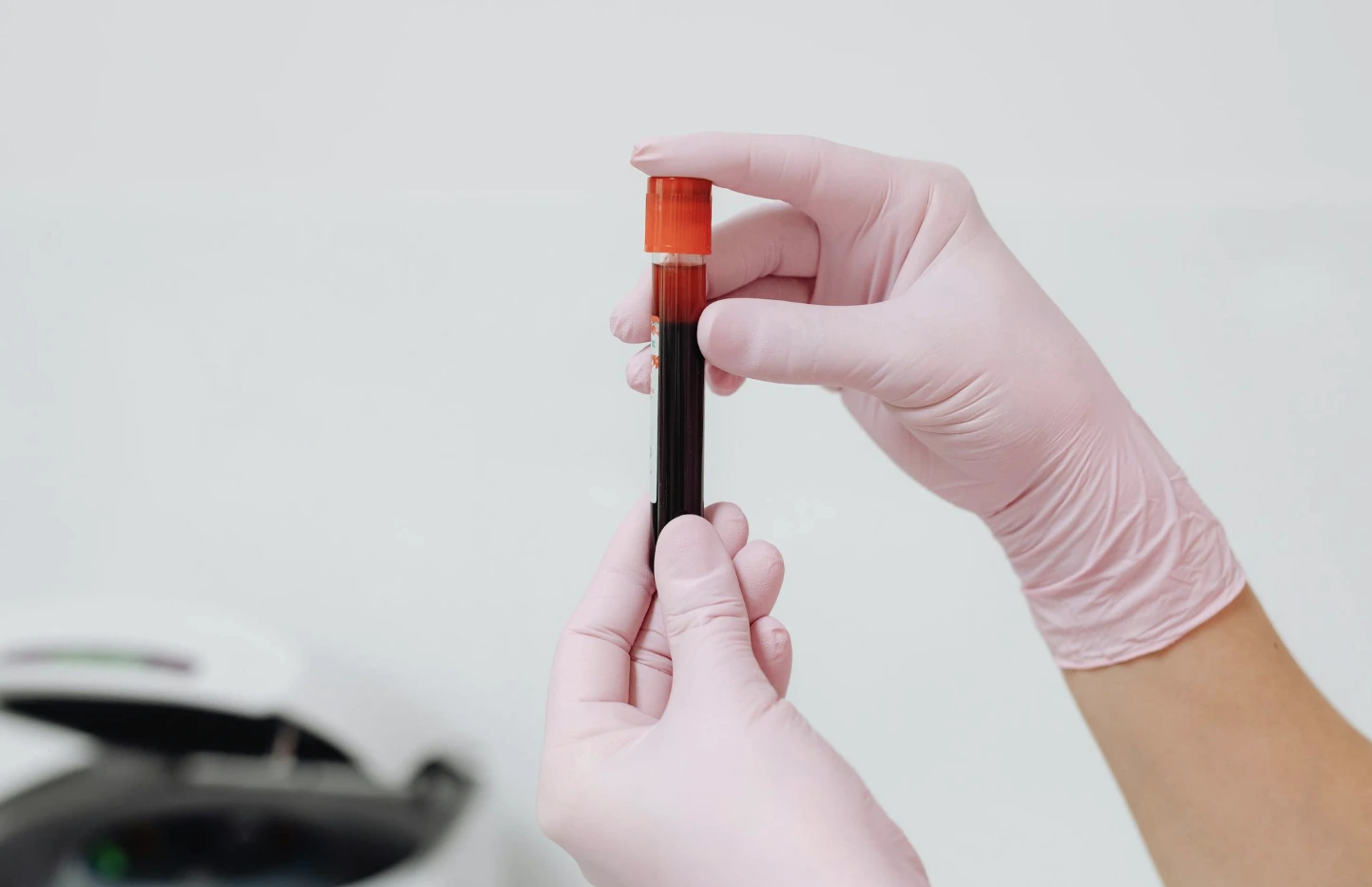

Blood is one of the most important fluids in the human body. It flows through blood vessels and connects every organ, tissue, and cell. Without blood, the body cannot survive because it carries oxygen, nutrients, hormones, and waste products.
Even though blood looks like a simple red liquid, it is actually made up of different parts. Each part has a special role. When doctors examine blood in a lab, they often separate it into layers to better understand what is happening inside the body.
The three main components seen after separation are:
- Plasma
- Buffy coat
- Hematocrit (red blood cell layer)
These parts work together to maintain health, protect the body, and support daily functions.
Basic structure of blood
| Component | Approximate Percentage | Main Role |
|---|---|---|
| Plasma | About 55% | Carries nutrients and waste |
| Buffy coat | Less than 1% | Immunity and clotting |
| Red blood cells (hematocrit) | About 45% | Oxygen transport |
Plasma: The Transport Medium of the Body
Plasma is the liquid part of blood. It is pale yellow in color and makes up more than half of total blood volume. Plasma is mostly water, but it also contains many important substances that are essential for life.
It acts as a transport system, moving materials from one part of the body to another.
What plasma is made of
Plasma is composed of:
- Water (around 90–92%)
- Proteins such as albumin and globulin
- Electrolytes like sodium and potassium
- Nutrients such as glucose and amino acids
- Hormones
- Waste products like urea and carbon dioxide
Functions of plasma
Plasma plays many roles in the body. It is not just a liquid; it is active in maintaining balance and supporting organs.
- Transports nutrients from the digestive system to cells
- Carries hormones from glands to target organs
- Removes waste products to kidneys and lungs
- Maintains blood pressure and volume
- Helps in clotting through plasma proteins
- Supports immune function
Plasma components and their roles
| Component | Function |
|---|---|
| Albumin | Maintains fluid balance |
| Globulins | Help in immunity |
| Fibrinogen | Helps in blood clotting |
| Electrolytes | Maintain pH and nerve function |
| Nutrients | Provide energy to cells |
Simple example
Think of plasma like a highway. It allows everything else—cells, nutrients, and waste—to travel smoothly across the body. Without plasma, transportation inside the body would stop.
Buffy Coat: The Defense and Repair System
The buffy coat is a very thin layer that lies between plasma and red blood cells after blood is spun in a centrifuge. Although it makes up less than 1% of total blood, it plays a major role in protecting the body.
The buffy coat contains:
- White blood cells (leukocytes)
- Platelets (thrombocytes)
Role of white blood cells
White blood cells are the body’s defense system. They protect against infections and harmful substances.
Types of white blood cells include:
- Neutrophils: fight bacteria
- Lymphocytes: produce antibodies
- Monocytes: remove damaged cells
- Eosinophils: respond to allergies
- Basophils: release chemicals during inflammation
Role of platelets
Platelets help stop bleeding. When you get injured, platelets gather at the site and form a clot to prevent blood loss.
Functions of the buffy coat
- Protects against infections
- Supports immune response
- Helps in wound healing
- Prevents excessive bleeding
Buffy coat components
| Component | Function |
|---|---|
| White blood cells | Fight infections |
| Platelets | Form blood clots |
Real-life example
If you get a cut on your skin, the buffy coat becomes active. Platelets form a clot to stop bleeding, and white blood cells prevent infection. This process helps the wound heal.
Hematocrit: The Oxygen-Carrying Portion
Hematocrit refers to the percentage of blood that is made up of red blood cells. These cells settle at the bottom when blood is separated because they are heavier than other components.
Red blood cells are essential for carrying oxygen from the lungs to the rest of the body.
What red blood cells do
- Carry oxygen using hemoglobin
- Remove carbon dioxide from tissues
- Support energy production
- Maintain normal body function
Normal hematocrit levels
| Group | Normal Range |
|---|---|
| Adult men | 40%–54% |
| Adult women | 36%–48% |
| Children | Slightly lower values |
What affects hematocrit levels
- Nutrition (iron, vitamin B12, folate)
- Hydration level
- Blood loss
- Bone marrow function
- Chronic diseases
High vs low hematocrit
| Condition | Meaning | Possible Effects |
|---|---|---|
| Low hematocrit | Fewer red blood cells | Fatigue, weakness |
| High hematocrit | Too many red blood cells | Thick blood, clot risk |
Simple explanation
Red blood cells are like delivery vehicles that carry oxygen. If there are too few vehicles, oxygen delivery slows down. If there are too many, the blood becomes thick and harder to flow.
How Blood Is Separated into Layers
In laboratories, blood is often placed in a centrifuge machine. This machine spins the blood at high speed, causing it to separate into layers based on density.
Order of layers after centrifugation
- Top layer: Plasma
- Middle layer: Buffy coat
- Bottom layer: Red blood cells (hematocrit)
Why separation happens
| Factor | Explanation |
|---|---|
| Density | Heavier components move downward |
| Centrifugal force | Speeds up separation |
| Cell size and weight | Determines position in the tube |
Why These Components Matter in Medical Tests
Doctors use blood tests to check overall health and detect diseases. Each layer provides different information.
What doctors learn from each part
| Component | Medical Importance |
|---|---|
| Plasma | Nutrient levels, protein balance |
| Buffy coat | Infection and immune status |
| Hematocrit | Oxygen-carrying ability |
Conditions detected through blood components
- Anemia
- Infections
- Clotting disorders
- Nutritional deficiencies
- Chronic diseases
Practical Example for Better Understanding
Consider a person who feels constantly tired.
A blood test may show:
- Low hematocrit → fewer red blood cells
- Normal buffy coat → no infection
- Plasma imbalance → possible nutrient deficiency
This helps the doctor identify the cause and suggest treatment.
Comparison of Plasma, Buffy Coat, and Hematocrit
| Feature | Plasma | Buffy Coat | Hematocrit |
|---|---|---|---|
| Appearance | Yellow liquid | Thin white layer | Red layer |
| Percentage | ~55% | <1% | ~45% |
| Main Function | Transport | Defense and clotting | Oxygen delivery |
| Components | Water, proteins | WBCs, platelets | RBCs |
Tips to Maintain Healthy Blood
Keeping your blood healthy supports all its components.
Healthy habits
- Eat iron-rich foods like spinach and meat
- Include vitamin B12 and folate in your diet
- Drink enough water
- Exercise regularly
- Get enough sleep
Habits to avoid
| Habit | Effect |
|---|---|
| Poor diet | Weak blood cells |
| Smoking | Reduces oxygen supply |
| Excess alcohol | Affects liver and blood |
Common Problems Related to Blood Components
Anemia
- Caused by low red blood cells
- Leads to fatigue and weakness
Infections
- Increase white blood cell count
- Affect the buffy coat
Clotting disorders
- Platelets do not function properly
- Can cause excessive bleeding
Summary of problems
| Condition | Affected Component |
|---|---|
| Anemia | Hematocrit |
| Infection | Buffy coat |
| Dehydration | Plasma |
| Clotting issue | Platelets |
Final Thoughts
Blood is a complex and essential part of the human body. It is made up of plasma, buffy coat, and red blood cells, each with a unique and important role.
Plasma acts as a transport system, the buffy coat protects and repairs, and red blood cells carry oxygen. Together, these components keep the body functioning smoothly.
Understanding these parts helps you better read blood test results and recognize the importance of maintaining a healthy lifestyle. Regular checkups, a balanced diet, and good habits can support healthy blood and overall well-being.

