

RDW stands for Red Cell Distribution Width. It is a value that appears in a standard blood test called a Complete Blood Count (CBC). RDW tells you how much your red blood cells vary in size.
Red blood cells are supposed to be similar in size so they can carry oxygen properly. When their sizes are very different from each other, the RDW number goes up. When they are mostly the same size, the RDW stays normal.
Doctors do not look at RDW alone. They use it together with other blood values to understand what may be happening in your body.
| Term | Meaning |
|---|---|
| RDW | Measures variation in red blood cell size |
| Low RDW | Cells are mostly the same size |
| High RDW | Cells vary a lot in size |
| Test type | Part of Complete Blood Count (CBC) |
Why Your Body Needs Red Blood Cells
Red blood cells carry oxygen from your lungs to the rest of your body. Oxygen is needed for energy, brain function, and organ health.
If red blood cells are not working properly, you may feel tired, weak, or short of breath.
When doctors check RDW, they are trying to understand if your red blood cells are normal or if something is affecting them.
Roles of red blood cells
- Carry oxygen to tissues
- Remove carbon dioxide
- Help maintain energy levels
- Support organ function
What happens when they are not normal
| Problem | Effect on Body |
|---|---|
| Too few red cells | Fatigue and weakness |
| Abnormal size | Poor oxygen delivery |
| Short lifespan | Constant tiredness |
| Shape problems | Circulation issues |
What RDW Actually Measures
RDW measures the difference in sizes of red blood cells. Some variation is normal, but too much variation can signal a problem.
Doctors call this variation “anisocytosis.” This is just a medical way of saying “unequal cell sizes.”
Simple way to understand RDW
Think of red blood cells like coins:
- If all coins are the same size → low RDW (normal)
- If some coins are small and some are big → high RDW
RDW value range
| RDW Level | Meaning |
|---|---|
| Normal (around 11.5% – 14.5%) | Cells are similar in size |
| High (above range) | Mixed cell sizes |
| Low (rare) | Very uniform cells |
How RDW Is Measured in a Blood Test
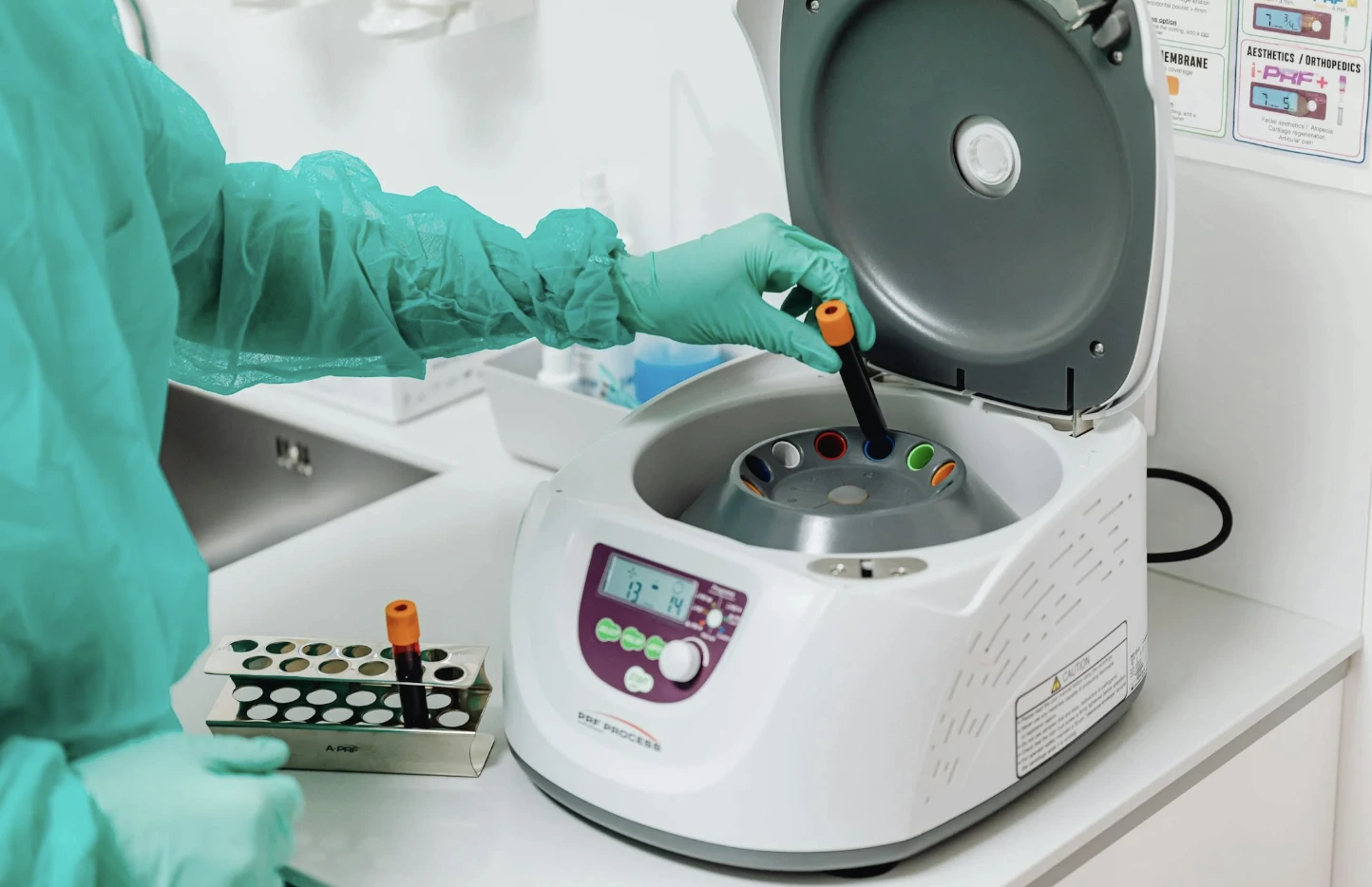
RDW is measured using a machine that analyzes your blood sample. It calculates how much variation exists between the smallest and largest red blood cells.
The test is automatic and does not require any special preparation.
Steps of the test
- Blood is drawn from your arm
- Sample is sent to the lab
- Machine measures red blood cells
- RDW value is calculated
What the machine looks at
| Factor | Description |
|---|---|
| Cell size | Width of each red blood cell |
| Distribution | Spread of sizes |
| Average size | Compared with MCV value |
RDW and MCV: Why They Are Looked At Together
RDW alone does not tell the full story. Doctors often compare it with another value called MCV (Mean Corpuscular Volume).
MCV tells the average size of red blood cells, while RDW shows how much they differ from each other.
How both values work together
| RDW | MCV | Possible Meaning |
|---|---|---|
| High | Low | Iron deficiency |
| High | Normal | Early vitamin deficiency |
| High | High | Vitamin B12 or folate deficiency |
| Normal | Low | Chronic disease or genetic condition |
What Causes a High RDW
A high RDW means there is a big difference in red blood cell sizes. This can happen due to several conditions.
Common causes
- Iron deficiency
- Vitamin B12 deficiency
- Folate deficiency
- Blood loss
- Bone marrow problems
Less common causes
| Cause | Explanation |
|---|---|
| Liver disease | Affects red cell production |
| Alcohol use | Changes cell structure |
| Chronic illness | Slows cell formation |
| After blood transfusion | Mix of old and new cells |
What Causes a Low RDW
Low RDW is not very common and usually not a concern. It means the cells are very similar in size.
Doctors usually focus more on high RDW than low RDW.
Possible reasons
- Normal healthy blood
- Certain chronic conditions (rare cases)
Note
| Situation | Meaning |
|---|---|
| Low RDW alone | Usually not a problem |
| Low RDW with symptoms | Needs further check |
Signs You Might Have RDW-Related Issues
RDW itself does not cause symptoms. But the conditions behind it can.
Common symptoms linked to abnormal RDW
- Fatigue
- Weakness
- Pale skin
- Shortness of breath
- Dizziness
When symptoms become serious
| Symptom | What it may suggest |
|---|---|
| Severe tiredness | Low red blood cells |
| Chest pain | Oxygen problem |
| Rapid heartbeat | Body under stress |
| Confusion | Low oxygen to brain |
How Doctors Use RDW to Diagnose Problems
Doctors use RDW as a clue, not a final answer. It helps them narrow down possible causes.
They combine RDW with:
- MCV
- Hemoglobin
- Hematocrit
- Patient symptoms
Example of diagnosis use
| RDW Result | Combined Finding | Likely Condition |
|---|---|---|
| High RDW + Low MCV | Small varied cells | Iron deficiency |
| High RDW + High MCV | Large varied cells | Vitamin deficiency |
| Normal RDW + Low MCV | Uniform small cells | Genetic condition |
RDW and Iron Deficiency
Iron deficiency is one of the most common causes of high RDW.
At first, your body produces normal cells. Later, smaller cells start forming due to lack of iron. This creates variation.
How RDW changes over time
- Early stage → RDW rises
- Later stage → MCV drops
Signs of iron deficiency
| Sign | Description |
|---|---|
| Tiredness | Low oxygen delivery |
| Pale skin | Reduced hemoglobin |
| Weak nails | Nutrient deficiency |
| Hair loss | Body stress |
RDW and Vitamin Deficiencies
Vitamin B12 and folate are important for making red blood cells.
When these vitamins are low, the body makes larger cells, leading to variation.
Effects of vitamin deficiency
- Large red blood cells
- Uneven sizes
- High RDW
Common symptoms
| Vitamin Deficiency | Symptoms |
|---|---|
| B12 | Numbness, memory issues |
| Folate | Fatigue, weakness |
RDW and Chronic Diseases
Some long-term illnesses affect red blood cell production.
Examples of such conditions
- Kidney disease
- Liver disease
- Inflammatory conditions
These conditions may not always raise RDW significantly but can still affect blood health.
How chronic disease affects RDW
| Condition | Impact |
|---|---|
| Kidney disease | Less red cell production |
| Liver disease | Abnormal cell formation |
| Inflammation | Slower cell turnover |
RDW and Blood Loss
When you lose blood, your body tries to replace red blood cells quickly.
New cells may differ in size from older ones, increasing RDW.
Situations where this happens
- Injury
- Surgery
- Heavy menstrual bleeding
What happens inside the body
| Stage | Change |
|---|---|
| Blood loss | Fewer red cells |
| Recovery | New cells made quickly |
| Result | Mixed sizes, higher RDW |
RDW in Pregnancy
During pregnancy, RDW may change due to increased blood demand.
Iron deficiency is common during pregnancy, which can raise RDW.
Important points
- Regular blood tests are needed
- Iron supplements may be prescribed
Monitoring during pregnancy
| Test | Purpose |
|---|---|
| RDW | Check variation |
| Hemoglobin | Check oxygen levels |
| Iron levels | Detect deficiency |
How to Improve Your RDW Naturally
If your RDW is high due to a nutritional issue, improving diet can help.
Foods that support healthy red blood cells
- Spinach
- Lentils
- Red meat
- Eggs
- Fortified cereals
Nutrients to focus on
| Nutrient | Role |
|---|---|
| Iron | Builds hemoglobin |
| Vitamin B12 | Helps cell formation |
| Folate | Supports cell growth |
Lifestyle Tips for Healthy Blood
Daily habits play a big role in maintaining healthy blood values.
Helpful habits
- Eat balanced meals
- Stay hydrated
- Exercise regularly
- Avoid excessive alcohol
Things to avoid
| Habit | Effect |
|---|---|
| Poor diet | Nutrient deficiency |
| Smoking | Damages blood cells |
| Alcohol abuse | Affects liver and blood |
When You Should See a Doctor
You should not panic if RDW is slightly abnormal. But certain situations need medical attention.
Visit a doctor if you have:
- Constant fatigue
- Shortness of breath
- Unexplained weakness
- Abnormal CBC results
Warning signs
| Symptom | Action |
|---|---|
| Severe weakness | Seek medical help |
| Chest pain | Emergency care |
| Fainting | Immediate check |
Common Questions About RDW
Is high RDW always serious?
No. It depends on the cause. Sometimes it is due to simple nutrient deficiency.
Can RDW go back to normal?
Yes, if the underlying cause is treated.
Do I need treatment for RDW?
You treat the cause, not RDW itself.
Quick answers
| Question | Answer |
|---|---|
| Is RDW a disease? | No |
| Is it important? | Yes, as a clue |
| Can it change? | Yes |
| Should I worry? | Only if symptoms exist |
Final Thoughts
RDW is a small part of your blood test, but it gives useful information about your health. It shows how uniform or varied your red blood cells are.
A normal RDW means your cells are similar in size. A high RDW suggests variation, which may point to conditions like iron deficiency or vitamin problems.
The most important thing to remember is that RDW is not used alone. Doctors look at it along with other values and your symptoms.
By maintaining a healthy diet, staying active, and getting regular checkups, you can support your blood health and keep your RDW within a healthy range.

